 GUIDES • ITINERARIES • SMARTER TRAVEL

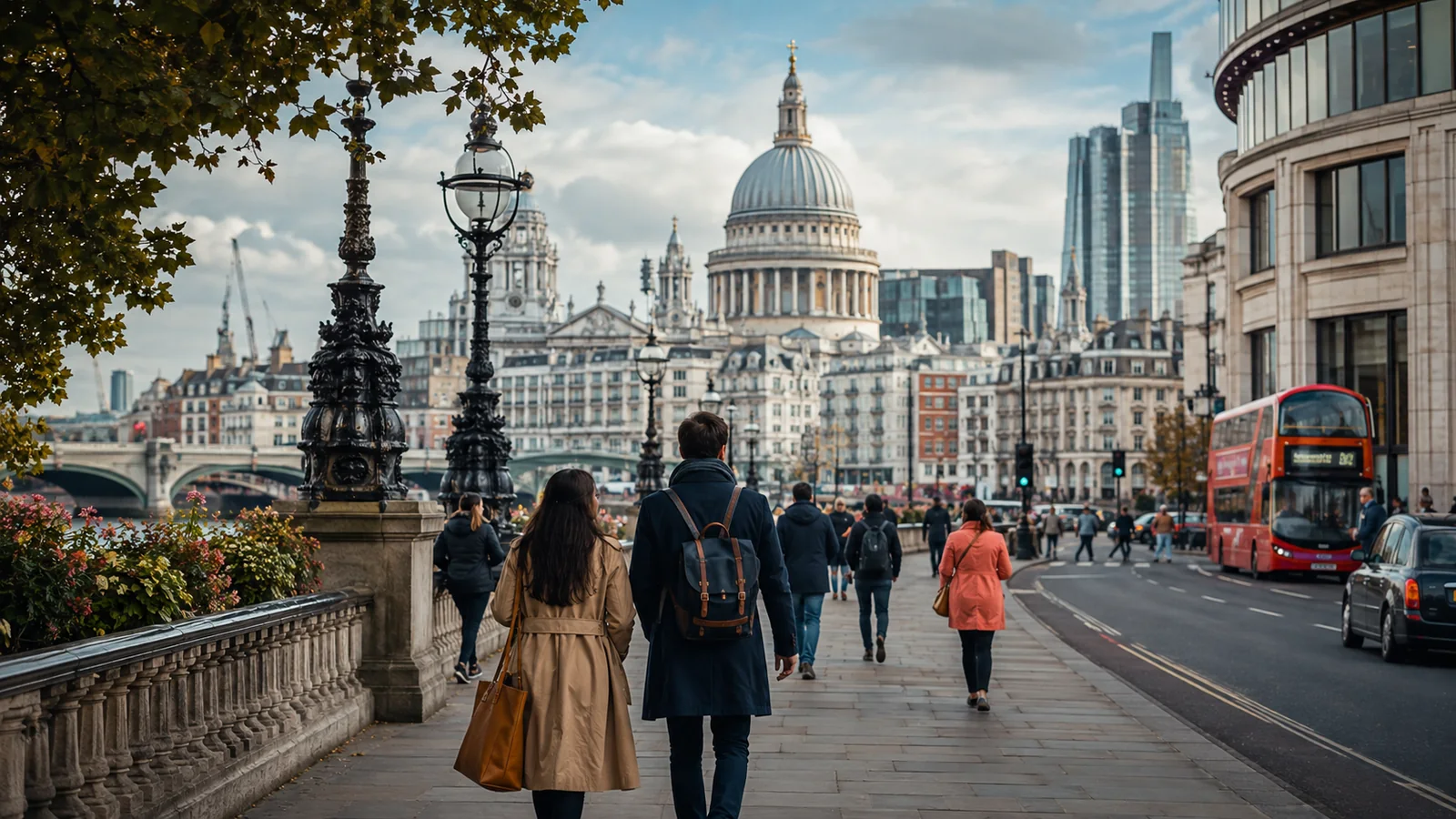
Four days is enough to understand London’s rhythm, but not enough to waste half the trip crossing the city between unrelated sights. For visitors arriving from the UAE, London’s compact historic centre, public transport, cooler climate and walkable neighbourhoods create a very different experience from Dubai. The strongest itinerary groups activities by area, leaves room for weather and avoids treating every famous landmark as compulsory.
Before day one: choose the right base
For a four-day visit, location is usually more valuable than a larger room far from the centre. Areas such as South Bank, Bloomsbury, Paddington, Kensington, Westminster and the City can all work, depending on airport, budget and interests. Check the nearest useful station rather than judging distance only from a map. Our Hotels coverage explains why neighbourhood choice can save both time and transport costs.
Day 1: Westminster and the Thames
Begin with London’s ceremonial core. Walk around Westminster, then continue toward the river instead of immediately returning underground. The Thames gives the first day a natural route and helps orient you around central London. South Bank, bridges, historic facades and modern cultural buildings can be experienced as one connected area rather than separate checklist stops.
Keep the first afternoon flexible. UAE travellers arriving on an overnight flight may be dealing with tiredness or a room that is not yet ready. One major timed attraction is enough. Use the evening for a relaxed meal and an early finish if needed; trying to “win” the first day often makes the second day worse.
Day 2: museums, Kensington and a park
Make West London the focus. Select one major museum based on your interests and allow several hours rather than racing between institutions. London’s large museums are destinations in themselves, and many visitors underestimate how tiring they can be. Afterward, walk through Kensington or Hyde Park if the weather is suitable.
If shopping matters, Knightsbridge or nearby areas can fit naturally into this day. Families may prefer to replace shopping with a child-friendly museum or park time. The important principle is geographic: keep the day concentrated so you are not repeatedly travelling across central London.
Day 3: markets and neighbourhood character
Use the third day to move beyond the headline landmarks. Choose one or two districts based on your interests. Borough Market and the surrounding riverside area work for food-focused travellers; Notting Hill offers residential streets and shops; Greenwich combines history and a different view of the city; Shoreditch suits visitors interested in contemporary food, design and urban culture.
Do not attempt all of them in a single day. London’s real strength is the depth found within neighbourhoods. Our Food & Drink guides can help you select a market, café or restaurant that fits the same area rather than creating another cross-city journey just for dinner.
Day 4: choose your version of London
The final day should reflect why you came. History-focused travellers can choose a major historic site. Families may prefer a dedicated attraction followed by a park. Football supporters can build the day around a stadium tour if schedules allow. Shoppers might concentrate on Regent Street, Oxford Street or a more specialised district. Luxury travellers can reserve time for afternoon tea or a special dinner without forcing it into an already crowded day.
This flexible fourth day is also useful for anything lost to weather or tiredness earlier in the trip. It is better to carry one important activity forward than to make every day dependent on perfect conditions.
How to use London transport
A conventional central-London itinerary rarely needs a rental car. Combine the Underground, buses, rail and walking. Contactless payment can make individual journeys straightforward for eligible travellers, but check current fare and payment guidance before arrival. Keep airport transfers separate from daily transport planning because the best route depends on the airport, time and hotel area.
Walking matters more than many first-time visitors expect. A route that looks like several separate attractions on a map may form one enjoyable walk in practice. Comfortable shoes and a realistic daily step count are more useful than an overcomplicated transport plan.
What to book in advance
Reserve high-demand timed attractions, theatre tickets and any restaurant that is central to the trip. Leave ordinary meals, neighbourhood walks and flexible museum time open where possible. Booking every hour reduces your ability to respond to rain, queues or a place you unexpectedly enjoy.
Weather and clothing
London weather can change within a day. Pack layers, a compact waterproof option and shoes that work for walking. In cooler months, remember that outdoor sightseeing can feel colder than the temperature suggests when wind and rain are involved. UAE visitors accustomed to air-conditioned interiors may find London’s transitions between indoor and outdoor temperatures quite different.
Food, dietary needs and pacing
London’s restaurant scene is diverse enough for most dietary preferences, including halal options in many neighbourhoods, but do not assume every venue meets the same standard. Verify directly when dietary or religious requirements matter. Schedule meals as genuine breaks. A four-day itinerary with eight or ten hours of sightseeing each day becomes less enjoyable if meals are treated only as fuel.
Should you add a day trip?
On a first four-day visit, London itself usually deserves all four days. A day trip can make sense if you have already seen the city or have a strong interest outside it. If you do leave London, choose a destination with straightforward transport and avoid combining a long day trip with a late-night commitment. Our Outdoors section is useful for planning countryside or coastal extensions.
A practical daily rhythm
A good structure is one major morning anchor, a neighbourhood-based lunch, one afternoon focus and an evening that can expand or contract. This is more resilient than five fixed reservations. It also gives you time to notice the city between attractions — streets, parks, shops, architecture and ordinary public life.
Make the itinerary your own
This four-day plan is a framework, not a rule. Replace museums with shopping, add theatre, prioritise food, or slow down for family needs. The important parts are grouping by area, protecting time for transport and rest, and checking current official information before travel. If London is part of a wider UK trip, use our Rail Travel and UK Travel pages to extend the route without rebuilding the whole plan from scratch.
Frequently asked questions
Is four days enough for a first London trip?
Yes. Four well-organised days can cover major central sights, one museum-focused day, neighbourhood exploration and a flexible final day without trying to see the entire city.
Do UAE travellers need a car in London?
A car is usually unnecessary for a central London city break. Public transport and walking are normally more practical, while airport transfers should be planned separately.
Should I add a day trip during a four-day London visit?
First-time visitors usually get more value from keeping all four days in London. A day trip makes more sense for repeat visitors or travellers with a specific interest outside the city.
Sources and further reading
Primary and supporting references used to verify or contextualize this article.
- Plan your trip to Britain
Official visitor planning information used for general Britain and London context.

No approved comments yet. Start a thoughtful conversation.